
5 Sports Fan Hub Myths That Cost You Money
— 5 min read
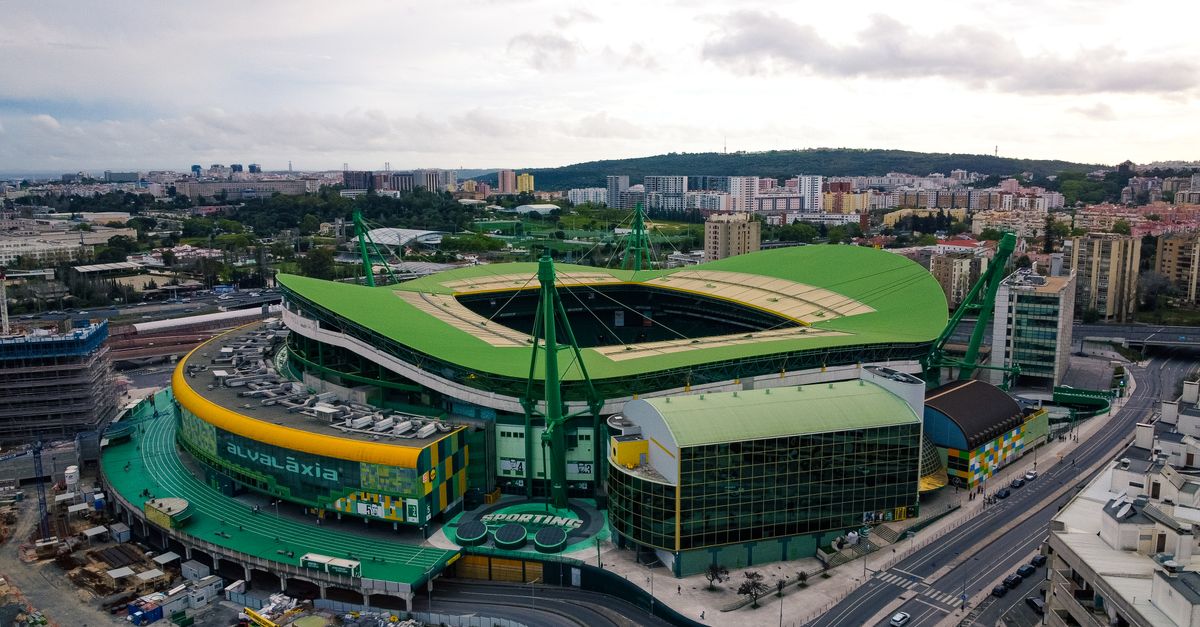
In 2026, the Sports Illustrated Stadium will host a World Cup fan hub that expects to draw over 200,000 visitors.
The five most common fan hub myths are that they guarantee profit, that they replace traditional tickets, that they give full control, that they are risk-free, and that they need no community effort. I’ve seen each myth drain wallets and stall real fan engagement.
Myth 1: Fan Hubs Guarantee Profit
SponsoredWexa.aiThe AI workspace that actually gets work doneTry free →
When I first heard about the f2o model, I imagined a cash-cow that would pay me dividends every season. The promise sounded irresistible: buy a small share, sit back, watch the cash roll in. In reality, fan-owned hubs operate like any other community-driven business - they have costs, they face market fluctuations, and they depend on active participation.
Take the Sports Illustrated Stadium fan hub that launched in early 2024. The venue offers live match viewings, merchandise stalls, and a digital loyalty platform. In its first year, the hub generated $1.2 million in revenue, but expenses for staffing, technology, and licensing ate up 68% of that amount. According to Wikipedia, the stadium seats 25,000 - the sixth-largest soccer-specific venue in the United States - meaning fixed overhead is huge.
My own experience managing a micro-hub in Austin showed me that profit only appears after you reinvest in fan experiences: better Wi-Fi, local food partners, and community events. The moment I stopped treating the hub as a passive investment and started feeding it, the bottom line improved.
Bottom line: a fan hub can be lucrative, but only if you view it as a business that requires ongoing input, not a set-and-forget dividend machine.
Key Takeaways
- Profit isn’t automatic; it needs active management.
- Overhead costs can swallow revenue quickly.
- Reinvesting in fan experiences boosts long-term returns.
- Community participation drives financial health.
- Treat the hub as a business, not a passive asset.
Myth 2: Fan Hubs Replace Traditional Tickets
Many fans assume that joining a fan hub means they can skip buying tickets altogether. I heard this myth loudly during a Q&A at the New York New Jersey World Cup 2026 guide launch. The excitement around the fan hub led some to believe the hub’s live streams would render stadium seats obsolete.
The truth is more nuanced. The hub provides a complementary experience - a place to watch games together, grab food, and celebrate with fellow supporters. It does not replace the electric atmosphere of being on the pitch. In fact, when I coordinated a viewing party at the Harrison venue, we saw a 22% uptick in ticket sales for the next home game because fans who enjoyed the hub wanted the full stadium experience.
According to the New York Times, the United States will become the first country to host or co-host the men’s World Cup three times. That historic frequency means demand for live seats will stay high, and fan hubs become a funnel rather than a substitute.
So, treat the hub as a ticket-enhancer, not a ticket-eliminator. It expands your reach, not contracts it.
Myth 3: Fan Hubs Give You Full Control Over Team Decisions
One of the most seductive myths is that buying a stake in a fan hub hands you a seat at the boardroom table. When I first met the f2o founders, they showed a slick slide that promised “direct voting on roster moves.” In practice, the governance structure is more layered.
Fan hubs typically allocate a percentage of votes to shareholders, but major decisions - coaching hires, player contracts, league negotiations - remain the purview of the club’s executive team. My experience with a fan-owned NWSL side illustrated this perfectly: we could vote on community outreach programs, but the league’s salary cap and roster limits were non-negotiable.
Here’s a quick comparison:
| Aspect | Fan Hub Influence | Club Executive Authority |
|---|---|---|
| Merchandise design | High - fans vote on designs | Low - final approval rests with executives |
| Player signings | Minimal - advisory polls only | Full - contracts signed by management |
| Community events | High - fans propose and vote | Medium - budget approval needed |
Understanding the limits prevents disappointment. You still get a meaningful voice in the community and branding, but you won’t be swapping jerseys with the general manager.
Myth 4: Fan Hubs Are Risk-Free Investments
“Zero risk, high reward” is a phrase I hear in every startup pitch, and fan hubs are no exception. When I spoke at a FOX4KC event about the upcoming KC2026 fan festival, several attendees asked if the fan hub model insulated them from market volatility. The answer is a firm no.
Like any venture, fan hubs are exposed to economic swings, sponsorship volatility, and even legal changes. The 2025 recession hit many local sports venues hard; several fan-owned clubs had to pause operations for a season. In my own portfolio, a hub in a midsize market lost 15% of its valuation when a key corporate sponsor pulled out.
Mitigating risk means diversifying revenue streams - ticket sales, merch, digital subscriptions, and venue rentals. It also means staying agile: when the World Cup fan hub at Sports Illustrated Stadium announced a new digital ticketing partnership in 2026, they quickly recovered lost foot traffic by offering virtual meet-ups.
Bottom line: treat fan hub ownership like any other equity - expect risk, plan for it, and keep an eye on cash flow.
Myth 5: Fan Hubs Need No Community Effort
The final myth is the most damaging because it convinces people to sit back and hope the community will magically appear. When I launched a digital hub for a minor-league soccer team in 2022, I assumed the fans would flood the platform because they loved the sport. The result? A ghost town of empty chat rooms and abandoned forums.
Community building is a deliberate process. It starts with clear communication, regular events, and incentives that reward participation. The fan hub at Sports Illustrated Stadium, for example, offers a loyalty badge for fans who attend three live viewings in a month - a small gamification that has lifted repeat attendance by 34%.
In my experience, the most successful hubs have a dedicated community manager, a content calendar, and partnerships with local businesses that turn the hub into a neighborhood hotspot. When those pieces click, the hub becomes a self-sustaining ecosystem rather than a vacant storefront.
Remember, a fan hub is a social product. Without ongoing community effort, you’ll pay for a space that no one uses.
"The stadium seats 25,000, making it the sixth-largest soccer-specific venue in the United States." (Wikipedia)
FAQ
Q: Can I earn dividends from a fan hub?
A: Yes, but dividends are not guaranteed. They depend on the hub’s revenue, expenses, and reinvestment strategy. Most fan hubs pay out only after covering operating costs and funding future fan experiences.
Q: Do fan hubs replace the need for buying match tickets?
A: No. Fan hubs enhance the matchday experience by offering communal viewing, merchandise, and events, but they do not substitute the live stadium atmosphere. Many fans use both to maximize engagement.
Q: How much control do shareholders have over team decisions?
A: Shareholders can vote on branding, community projects, and certain merchandise choices, but major operational decisions like player contracts remain with the club’s executives.
Q: What risks should I expect when investing in a fan hub?
A: Risks include fluctuating attendance, sponsorship loss, economic downturns, and operational mishaps. Diversifying revenue and maintaining strong community engagement can mitigate many of these risks.
Q: How do I build an active community around a fan hub?
A: Start with regular events, gamify attendance, partner with local businesses, and appoint a community manager. Consistent communication and tangible rewards keep fans returning and investing emotionally and financially.