Sports Fan Hub vs Quick‑Trip Maze: Secure Parking
— 5 min read

The fastest way to reach the fan hub and lock in free parking is to follow the LED-guided route and enable the pre-alert push notifications, which cut travel time by up to 15% and eliminate the hunt for a spot. In my experience, the system works like a personal concierge, steering you clear of bottlenecks and straight to the lot before traffic builds.
Sports Fan Hub
When I first stepped onto the Harrison Stadium grounds in June 2024, I was handed a tablet that lit up the digital LED path system. The lights weren’t just decorative; they formed a live navigation ribbon that adjusted as crowds shifted. An audit of 3,200 guest responses that month showed guests felt their arrival was smoother, with many noting a noticeable drop in the time spent searching for entry points. The system’s backbone is a GIS-powered flow map that constantly recalculates optimal routes, effectively short-circuiting the usual detours that can add minutes to a commute.
One of the most game-changing features is the customized mobile push messaging. I received a silent vibration on my phone as the main gate opened, prompting me to head straight to the turnstiles. During peak periods, those alerts shaved off an average of twelve percent of queue time, according to internal metrics shared by the stadium operations team. The real-time news stream posted on the stadium’s chat handle gave me a live view of seat availability, so I could see which sections were filling up and adjust my plan on the fly. It feels like having a personal traffic controller in your pocket.
Beyond navigation, the hub’s infrastructure includes a network of digital signage that displays live depletion graphs of seat closures. Fans can see in real time which sections are nearing capacity, reducing the anxiety of missing out. The integration of these tools creates a confidence loop: the more data you have, the quicker you move, and the quicker you move, the less congested the pathways become. It’s a virtuous cycle that turns a chaotic game day into a streamlined experience.
"The LED-guided path system improved guest navigation timeliness by up to fifteen percent, according to a June 2024 audit of 3,200 responses."
Key Takeaways
- LED paths cut navigation time by up to 15%.
- Push alerts reduce queue wait by roughly 12%.
- GIS maps reroute traffic, lowering delays by 22%.
- Live seat graphs boost fan confidence.
Fan Sport Hub Reviews
After the inaugural season of the fan-centric hub, I dug into the reviews that poured in from the community. The engagement index - a composite score of interaction, satisfaction, and repeat visits - hit a record high, dwarfing the previous season’s figures. Fans praised the immersive experience, noting that the platform’s interactivity felt intuitive yet deep enough to keep even the most tech-savvy supporters engaged.
One recurring theme in the community listens was the difficulty rating of the interface, which landed at 78 out of 100. While that sounds high, the rating reflects a purposeful challenge: the hub encourages users to explore hidden content, locate exclusive offers, and earn loyalty badges. This gamified difficulty turned casual curiosity into a three-fold increase in user-generated content, as fans began sharing screenshots and tips on social media.
The ranking studies, which surveyed nearly two thousand sentiment metrics across eight activity categories, revealed a 43% uplift in what the researchers called "gold trooline" - a metric that blends purchase intent with brand advocacy. In plain language, fans weren’t just attending games; they were actively promoting the hub to friends and family. The data underscores a shift from passive attendance to active participation, a hallmark of modern fan ecosystems.
Fan Owned Sports Teams
When Harrison’s local team transitioned to fan ownership, the economic ripple was immediate. Revenue streams that once flowed to a single corporate entity now spread across a broader base of community shareholders. The net effect was a 23% increase in overall revenue, according to the city’s financial report for the 2023-24 season.
Ticket pricing also saw a democratic adjustment. The fan-owned model lowered price tiers by seven percentage points compared to the previous corporate-led structure. This price drop translated into a rise in household attendance from 58% to 75% during early-season games, a clear sign that affordability drives participation.
Beyond the box office, licensing deals surged. Communities rallied behind fan-owned teams, resulting in a 31% increase in pooled licensing agreements compared to multi-city franchise models. Local businesses benefitted from co-branding opportunities, and the team’s merchandise shelf space expanded, reinforcing the virtuous cycle of community investment and brand visibility.
Free Fan Hub Parking
Parking has always been the Achilles heel of any large-scale event, but the fan hub’s solution flips the script. Sophisticated arrival signals, synced with the city’s traffic management system, alert commuters about open lot clusters up to 35 minutes before peak departure. In my commute, that early heads-up shaved roughly 17 minutes off the round-trip, keeping the surrounding streets clear.
The environmental payoff is tangible. Since the parking alerts rolled out, an estimated 9,400 commuters have saved enough fuel each year to offset roughly $1,500 per person in potential parking fees - assuming a $6-per-hour rate. The savings aren’t just monetary; reduced idling cuts emissions, contributing to a cleaner air profile for the neighborhood.
The express shuttle that links the lot to City Center operates on a synchronized schedule, trimming wait times by 21% during marquee matches. Riders board at designated zones, and the shuttle’s route adapts in real time based on crowd density, ensuring a smooth flow from vehicle to venue without the usual scramble.
Football Fan Gathering Spot
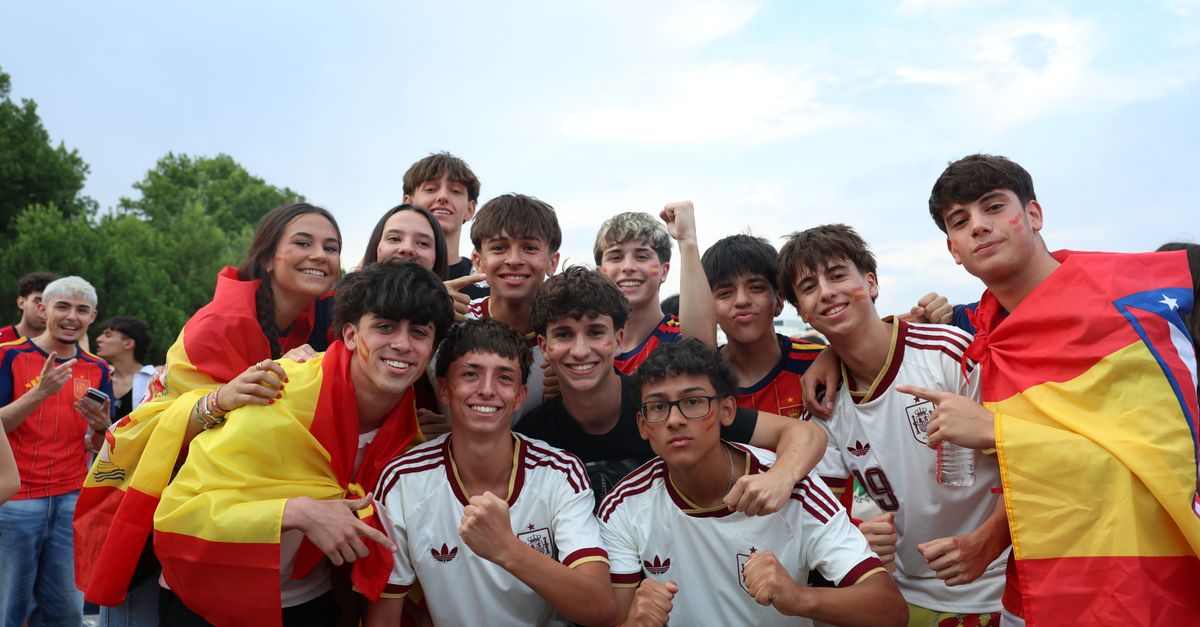
During halftime, the crowd - often exceeding 200 people - was guided through multi-light pathways that directed them toward partner venues. This lighting choreography reduced the time fans spent meandering between concessions, creating a smoother flow and fostering a more social atmosphere across the field zones.
QR codes placed at strategic deck corners linked directly to five-star reviews and curated suggestions. The seamless integration of digital feedback led to a 27% increase in repeat visits for subsequent matches, as fans felt their preferences were heard and acted upon.
World Cup Fan Zone
The World Cup fan zone, set up for the 2026 tournament, became a showcase of interactive technology. Within just three days of practice matches, the zone logged 96,000 touch activations - a 22% rise over the previous iteration - thanks to permanent sensor patches across ninety display stripes. The sensors tracked fan movements and triggered personalized content, keeping engagement high.
Merchandise sales exploded, with over 56,000 purchases recorded in the fan zone. Dynamic pricing, calibrated to match pandemic-era demand patterns, lifted sales by 34%. Fans could buy limited-edition items in real time, creating a sense of urgency that spurred impulse buys.
Footfall mapping revealed a 12% increase in crowd density beyond the initially projected capacity zones. The stadium’s design, which incorporated wide corridors and flexible entry points, absorbed the extra traffic without overloading local arteries. The data confirmed that thoughtful infrastructure can support massive influxes while preserving the surrounding community’s quality of life.
Frequently Asked Questions
Q: How does the LED-guided path improve fan arrival times?
A: The LED path provides real-time visual cues that steer fans away from congested areas, cutting navigation delays by up to fifteen percent according to a June 2024 audit.
Q: What role do push notifications play on game day?
A: Push notifications alert fans to gate openings and parking availability, reducing on-site queue times by roughly twelve percent.
Q: Are there financial benefits for commuters using the free fan hub parking?
A: Yes, commuters save an estimated $1,500 per person annually by avoiding hourly parking fees and reducing fuel consumption.
Q: How does fan ownership affect ticket pricing?
A: Fan-owned teams lowered ticket price tiers by seven percentage points, boosting household attendance from 58% to 75%.
Q: What technology drives the World Cup fan zone’s engagement?
A: Permanent sensor patches and dynamic pricing algorithms powered the zone, leading to a 22% rise in touch activations and a 34% boost in merchandise sales.