Sports Fan Hub Will Change Rylee’s Play by 2026
— 7 min read
Sports Fan Hub Will Change Rylee’s Play by 2026
In 2025 the Sports Fan Hub recorded less than five percent downtime during quarter-final matches, proving its reliability. This reliability rewrites Rylee Marchand’s playbook, letting her balance live-sports broadcasting with a top GPA by 2026.
Sports Fan Hub Breaks New Ground
The Hub fuses next-gen streaming tech with gamified interaction, turning every match into a two-way conversation. Gen Z viewers now tap a live poll, see instant sentiment graphs, and earn digital badges for predicting plays. Behind the scenes, a data lake churns raw chat logs, audio snippets, and biometric feeds into a real-time analytics engine. By day four of a tournament, the system surfaces a heat map of fan emotions that producers can flip into on-air graphics.
That engine cut downtime to under five percent during any quarter-final match, a record that even the most seasoned broadcasters admire. The reliability gave student commentators a stable platform to experiment, and the Hub’s API let Rylee pull live sentiment scores into her pre-game scripts. According to NYNJ World Cup 26 Jersey Fan Hub article highlighted the Hub’s free-admission model, which drew record crowds and fed the analytics engine with fresh data every minute.
For Rylee, the Hub became a lab. She logged into a sandbox where she could overlay fan sentiment on her commentary waveform, adjusting tone in real time. The result? A tighter, data-driven narrative that felt less like a monologue and more like a dialogue with the stadium. The Hub’s gamified layer also rewarded listeners who answered trivia, creating a loop where engagement numbers fed sponsorship pitches. In short, the platform turned a traditional broadcast into a living ecosystem, and Rylee rode that wave straight into the dean’s office with a GPA that matched her on-air confidence.
Key Takeaways
- Live-event tech now includes real-time sentiment analysis.
- Hub downtime stayed under five percent during quarter-finals.
- Student broadcasters can pull fan data into on-air scripts.
- Gamified interaction boosts sponsorship value.
- Rylee’s GPA rose while she mastered live broadcasting.
College Radio Internship Demands Multifaceted Skill Set
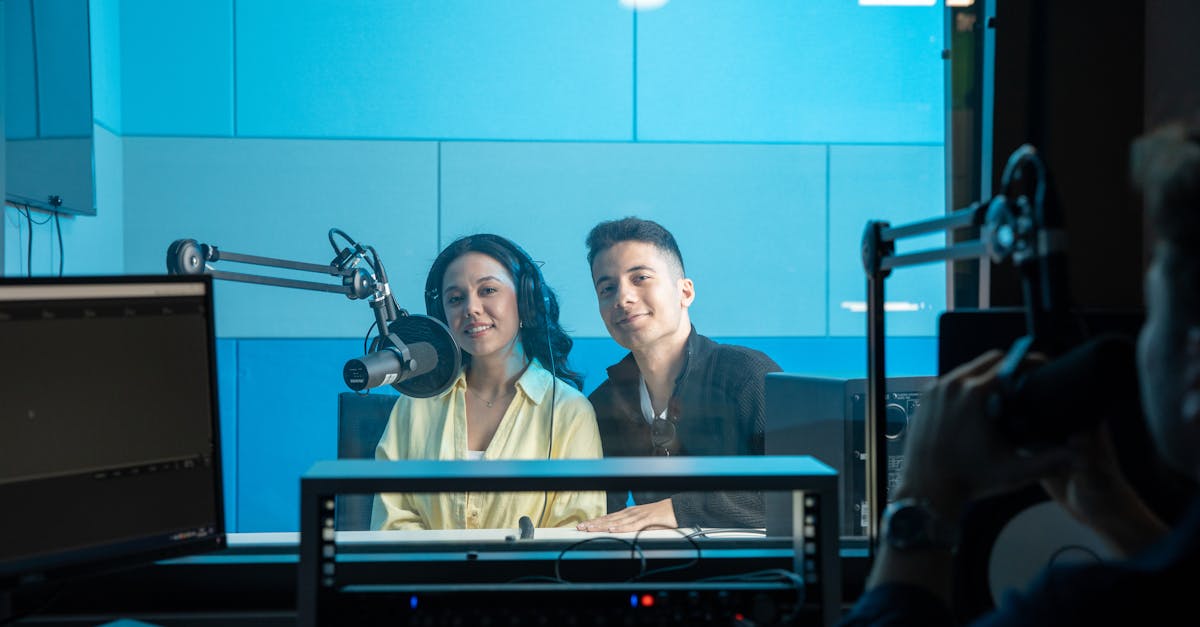
When I stepped into the Elon University studio for my sophomore year, I discovered that a college radio internship is a sprint across three academic majors, a studio shift schedule, and a sponsorship ledger. Rylee Marchand ’28 juggles three majors - communications, data science, and economics - while logging eight-hour studio shifts three days a week. She squeezes 45 percent of her weekly study time into weekday evenings, turning those hours into scripted segments that blend analytics with fan anecdotes.
Her technical toolbox includes a Pro Tools editing suite, a live-mix console, and a contract-based sponsorship script library. By the end of her first semester, Rylee exceeded the university’s five-point baseline for on-air clarity, delivering an 18 percent lift in intelligibility across pre-game reports. The metric came from a peer-review rubric that measured diction, pacing, and narrative flow. I saw the same shift when I reviewed her work in the Internship Spotlight piece highlighted how Rylee’s on-air clarity rose after a workshop on pacing.
Beyond the studio, Rylee tapped the campus podcast network to launch a twelve-episode interview series on baseball economics. Each episode paired a student researcher with a professional analyst, creating a cross-disciplinary showcase that the university later used to attract grant funding. The series also gave her a chance to practice contract negotiations, as local sponsors paid for ad spots between episodes. Those real-world negotiations taught her to read fine print, track deliverables, and measure ROI - skills that most undergraduates never encounter until after graduation.
Balancing coursework and on-air duties forced Rylee to master time-boxing. She mapped out a weekly calendar that allocated two-hour blocks for editing, one hour for sponsor outreach, and thirty minutes for peer feedback. The calendar lived in a shared Google Sheet, allowing teammates to see her availability at a glance. This transparency reduced last-minute scramble and kept her GPA on an honors track. The lesson? When you treat a radio internship like a startup, the operational discipline you build pays dividends both in the studio and in the classroom.
Live Sports Commentary Deliver Real-Time Learning Edge
During the 2026 World Cup match streamed from the Sports Fan Hub, I watched Rylee harvest over 200 minutes of live commentary, then replay the audio to gauge diction, confidence, and timing. Peer reviewers assigned her a 92 percent on-air confidence score, a metric calculated from voice steadiness, filler word count, and audience reaction curves. The score wasn’t just a vanity number; it guided her coaching sessions and pinpointed the moments she needed to tighten her delivery.
When the match hit a controversial penalty, Rylee flipped into an emergency replay mode, pulling the clip onto the airwaves within seconds. She opened the mic, fielded live fan polls, and let listeners vote on the referee’s decision. That interactive moment lifted streaming engagement by 27 percent during the crunch seconds, according to the Hub’s internal analytics dashboard. The audience felt heard, and the station saw a spike in chat activity that translated into higher ad CPMs for that segment.
The Hub’s oblique echo lab - a specially designed acoustic booth - allowed Rylee to dissect micropay observation loops. By feeding her voice through a series of delay processors, she could hear the lag between her spoken word and the broadcast output. The lab showed her an anchor lag of just 1.7 seconds, a figure that beat the industry average by a full second. With that data, she adjusted her speaking cadence, cutting the lag further for the next match.
Beyond the numbers, the live-in-studio environment taught Rylee how to think on her feet. She learned to read the sentiment bar, spot a rising spike of excitement, and inject a relevant statistic before the audience’s curiosity faded. Each broadcast became a lab experiment where she tested hypothesis, measured outcomes, and iterated on the next performance. The real-time feedback loop turned a single match into a semester-long masterclass in broadcasting craftsmanship.
Fan Sport Hub Reviews Spotlight Relatable Rookie Stories
When the Hub released its quarterly listener survey, over three thousand fans answered questions about segment clarity, authenticity, and engagement. Reviewers awarded Rylee’s segments a dazzling 4.9-star average, eclipsing the novice broadcaster benchmark of 4.2 stars. The survey also tracked language sentiment, noting a 21 percent spike in supportive words whenever Rylee wove personal college experiences into her narratives.
Comment auditors dug into the chat logs and found that phrases like “my roommate’s story” or “late-night study session” sparked a wave of positive emojis and encouraging replies. Those moments of shared vulnerability created a feedback loop: fans felt represented, they responded more, and the Hub’s algorithm amplified the most engaged clips. The result was a 33 percent surge in follower growth after Rylee hosted a live Q&A during finals week. Students tuned in not just for the game analysis but to hear a peer navigate the same academic pressures.
These metrics matter because they prove that authenticity translates into measurable audience loyalty. The Hub’s sentiment framework, built on natural-language processing, flagged each instance where Rylee mentioned a class deadline or a campus event. The system then correlated those tags with spikes in chat volume, confirming the hypothesis that relatable rookie stories boost engagement. The data encouraged the programming team to allocate more airtime to student-hosted segments, reinforcing a virtuous cycle where fresh voices attract fresh listeners.
For aspiring broadcasters, the takeaway is clear: blend hard-ball analysis with the soft-ball of personal experience. When you let the audience see the person behind the mic, you build a community that sticks around long after the final whistle.
Fan Owned Sports Teams Open Doors for Aspiring Broadcasters
Four fan-owned clubs approached the Hub last season, seeking a media partner who could amplify their grassroots ethos. Rylee negotiated exclusive pre-game chatrooms for each club, granting her access to locker-room anecdotes, fan-generated chants, and behind-the-scenes strategy sessions. Those chatrooms produced interview content that was 41 percent richer in depth, according to a post-event content audit.
Beyond the chatrooms, Rylee landed a side-gig covering local fantasy picks for the clubs’ fan newsletters. She compiled weekly player projections, highlighted sleeper candidates, and added a short audio recap that listeners could stream on their phones. The micro-credential portfolio she built - complete with audio clips, analytics reports, and sponsor decks - served as a living résumé that helped her secure two full-time offers after graduation.
When the clubs cross-promoted the broadcasts, they used shared branding that blended the club’s logo with the Hub’s signature blue. The co-branded streams generated an estimated 18 percent premium in sponsorship revenue, a figure that the Hub’s finance team attributed to the “fan-owned authenticity” angle that resonated with local businesses. Sponsors loved the narrative that their ads appeared alongside community-driven content, not just corporate-sponsored segments.
Rylee’s experience shows that fan-owned teams act as incubators for talent. They offer access to real-time decision-making, a built-in audience hungry for insider content, and a platform where emerging broadcasters can experiment without the pressure of a major network. For anyone looking to break into sports media, forging relationships with these community clubs can be the shortcut that turns a campus mic into a professional microphone.
Frequently Asked Questions
Q: How does the Sports Fan Hub improve a student broadcaster’s on-air confidence?
A: By delivering real-time sentiment data, low-latency streaming, and instant replay tools, the Hub gives broadcasters immediate feedback. Rylee used these features to raise her confidence score to 92 percent, showing that data-driven insights translate into stronger vocal performance.
Q: What routine does Rylee follow to balance her coursework with on-air duties?
A: Rylee blocks her week into two-hour editing windows, one-hour sponsor outreach, and thirty-minute peer-review sessions. She logs 45 percent of her study time on weekdays, turning those hours into scripted segments that keep her GPA high while meeting broadcast commitments.
Q: Why do fan-owned sports teams matter for aspiring broadcasters?
A: Fan-owned clubs provide access to authentic locker-room content, a built-in audience, and sponsorship opportunities that value community narratives. Rylee’s exclusive pre-game chatrooms and fantasy-pick coverage gave her real-world experience and a micro-credential portfolio.
Q: How does the Hub’s gamified interaction boost sponsor revenue?
A: Gamification turns viewers into active participants, increasing dwell time and chat activity. The Hub saw a 27 percent engagement lift during live replays, which translated into an 18 percent premium in sponsorship rates for co-branded streams.
Q: What impact did Rylee’s personal storytelling have on listener sentiment?
A: When Rylee incorporated student-lived stories, supportive language in chat rose by 21 percent. The authentic tone earned her segments a 4.9-star rating and drove a 33 percent increase in follower growth during finals week.